
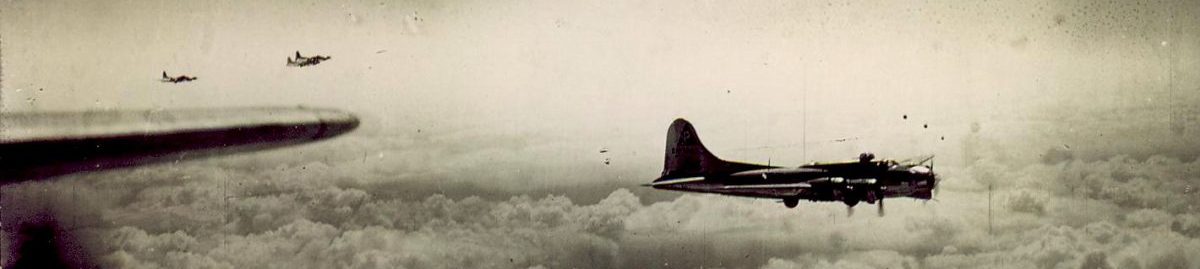
While several Royal Navy vessels throughout history have been named after the City of Cambridge and people from the area, there has only been one ship named after the entire county: His Majesties Trawler Cambridgeshire, a submarine chaser from the Second World War. Laid down as a 442-ton fishing vessel and launched in 1935, she was requisitioned by the Royal Navy in August 1939. Her conversion into a warship occurred in the desperate months of rapid military expansion before the invasion of Poland by Nazi Germany. She was converted by the Royal Navy into an anti-submarine role by removing her fishing gear and converting her storage holds into crew berthing and a magazine, adding a 4-inch deck gun forward, and installing depth charge racks to drop explosives off the stern of the ship. She was armed with a navy crew. By the end of the war, over 200 armed trawlers like HMT Cambridgeshire would be hunting submarines, laying and sweeping mines, and patrolling the approaches to the United Kingdom and the waters around Europe. A dangerous but important role was played by these small vessels: the Royal Navy lost 72 Armed Trawlers during the war and hundreds of sailors were lost.
HMT Cambridgeshire would likely be remembered only as one of the many capable but largely forgotten small combatants from the Second World War except for her experience on 17 June 1940, when she rescued over 800 civilians and soldiers from the RMS Lancastria, sunk by the German Luftwaffe during the desperation evacuation of France.
The RMS Lancastria, a passenger liner which had been converted into a troop ship, loaded several thousand fleeing civilians and soldiers in her hold, throughout her interior, and along her weather decks as part of Operation AERIAL – the evacuation of remaining Allied military personnel from Western France. The panic in St. Nazaire, France, as the Nazis rapidly approached and the French Government was capitulating led to a frenzied loading of all available ships for evacuation to England. RMS Lancastria, designed to hold 2,180 passengers and 330 crew was part of this evacuation. Her Captain felt the ship could hold up to 3,000, but in the desperation to load and depart St. Nazaire an estimated 5,500 and 7,200 people were brought onboard – no ships manifest was recorded, time was too short. The RMS Lancastria set sail and was almost immediately under attack by German Ju 88 bombers. She was hit by several bombs and sunk within 20 minutes. It is still unknown, but somewhere between 4,000-7,000 refugees, military personnel, and crew may have died in the sinking. The overloading of the ship ensured people could not escape. There were not enough lifeboats, there were far too few life preservers. The loss of the RMS Lancastria is the worst maritime catastrophe in the history of the United Kingdom.
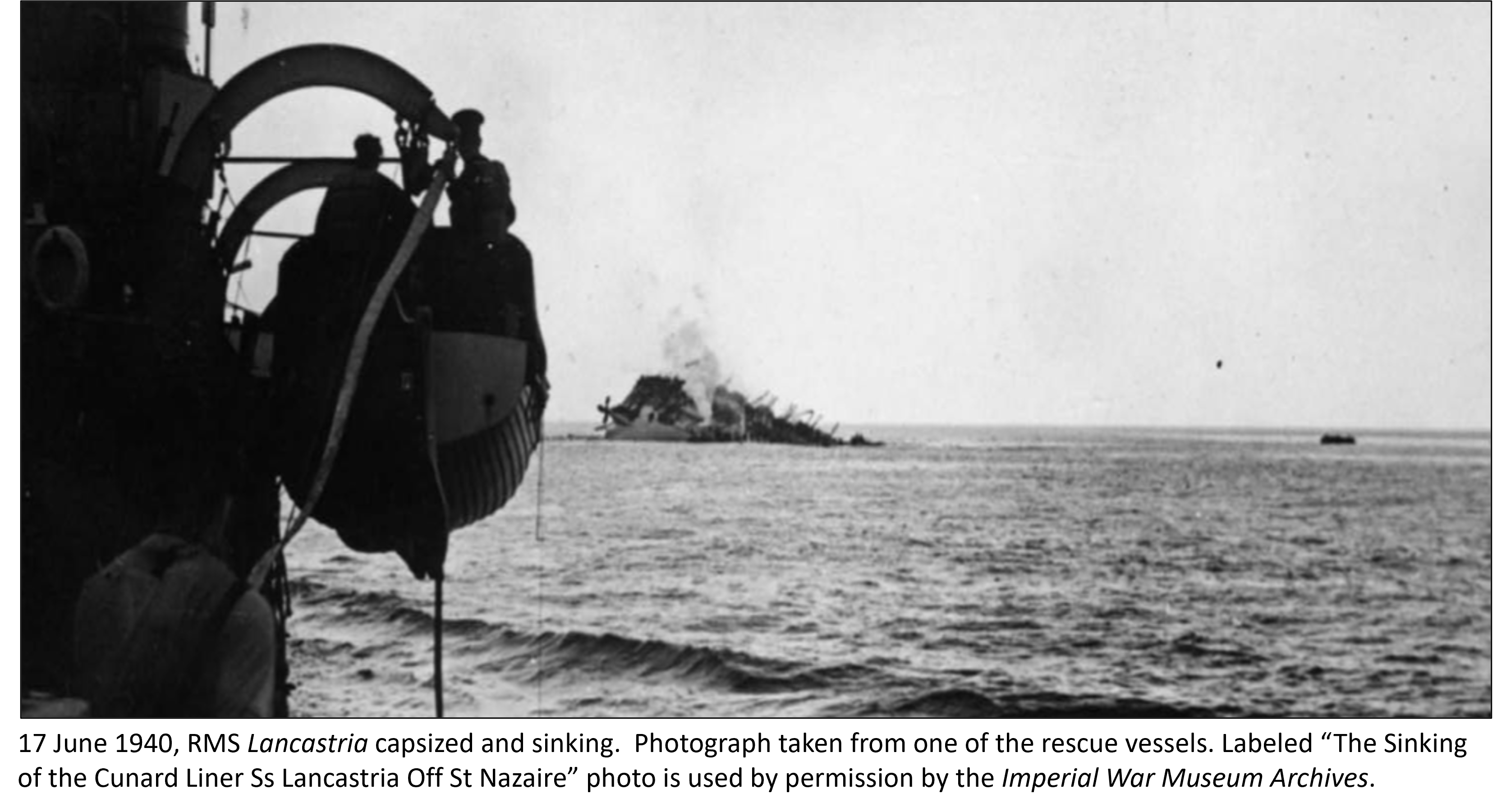
Thankfully, 2,477 men, women, and children were rescued by local ships coming to the rescue, with HMT Cambridgeshire saving more than any other. She brought between 800 to 900 survivors out of the cold waters and choking fuel, bringing them onboard over several hours under fire. Captain W. G. Euston, the Cambridgeshire’s Commanding Officer, maneuvered the ship while under machine gun fire from strafing German aircraft. He later recommended many of his sailors for decorations, specifically Stanley Kingett, who kept maneuvering the ship’s launch away from enemy planes to save hundreds of lives, and William Perrin who maintained machine gun fire on low-flying German planes, buying time for the Cambridgeshire’s rescue efforts. In fact, the ship’s machine gunners later claimed to have shot down one German aircraft during the rescue. Later that evening, still covered in discarded clothing, bunker fuel, and the discarded items of the hundreds she had rescued, HMT Cambridgeshire returned to St. Nazaire to take the Commander of the British Expeditionary Force, Lieutenant General Alan Brooke, and his staff from France.
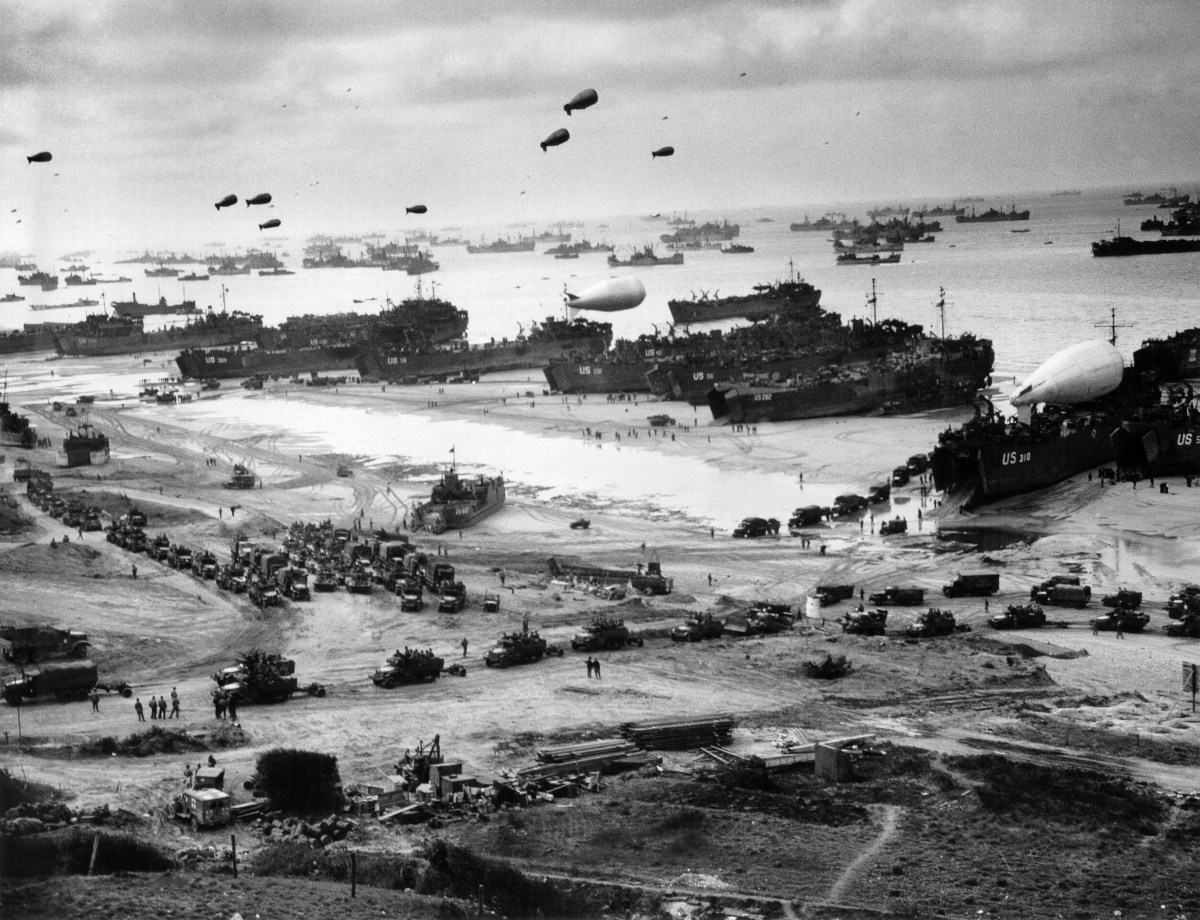
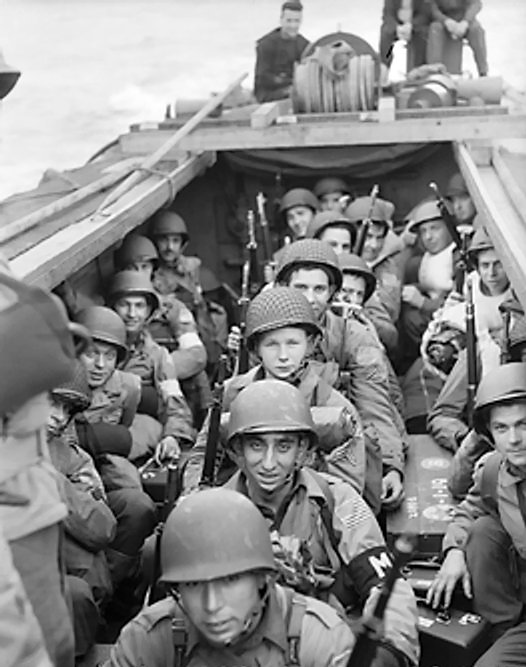
HMT Cambridgeshire would later participate in Operation NEPTUNE, the naval portion of the D-Day landings in June 1944. She hunted for submarines as the British, Canadian, American, and Free French forces landed across Normandy, assisting in the return of British forces to France whom she had helped evacuate just four years earlier.
After Victory in Europe Day, the Royal Navy sold HMT Cambridgeshire at the end of 1945, and she converted back to a humble fishing ship. The proud warship’s name was changed to the Kingston Sapphire. She fished the North Sea and Atlantic until she was finally scrapped in Brugges, Belgium in 1954.


 Cambridge Military History