The Round Church: A Crusader Legacy in Cambridge

On 15 July 1099, Jerusalem fell to the armies of the First Crusade. Their stated goal, as the soldiers poured into the city set on murder, rape, and pillage was to wrest the Church of the Holy Sepulchre and other holy places from the Armies of Islam and establish a Christian Kingdom with its capital at Jerusalem. These Crusader States would stumble on but effectively ended in 1291 when the Kingdom of Jerusalem fell after the siege of Acre. The last stronghold of Outremer (the term used by the Frankish knights, simply French for overseas), Acre fell to the Mamluks and despite numerous additional Crusades, the Levant would remain in the control of a succession of Islamic States until seized by the British and French from the Ottoman Turks in the Great War.
The Church of the Holy Sepulchre was built in the early 4th Century during the reign of Constantine the Great. According to tradition, it contains both Golgotha, the site of Jesus’ crucifixion, and the tomb in which he was buried and rose from the dead. It underwent both Byzantine and Crusader modifications and changes, but its round design was established and known by the Middle Ages across Europe.

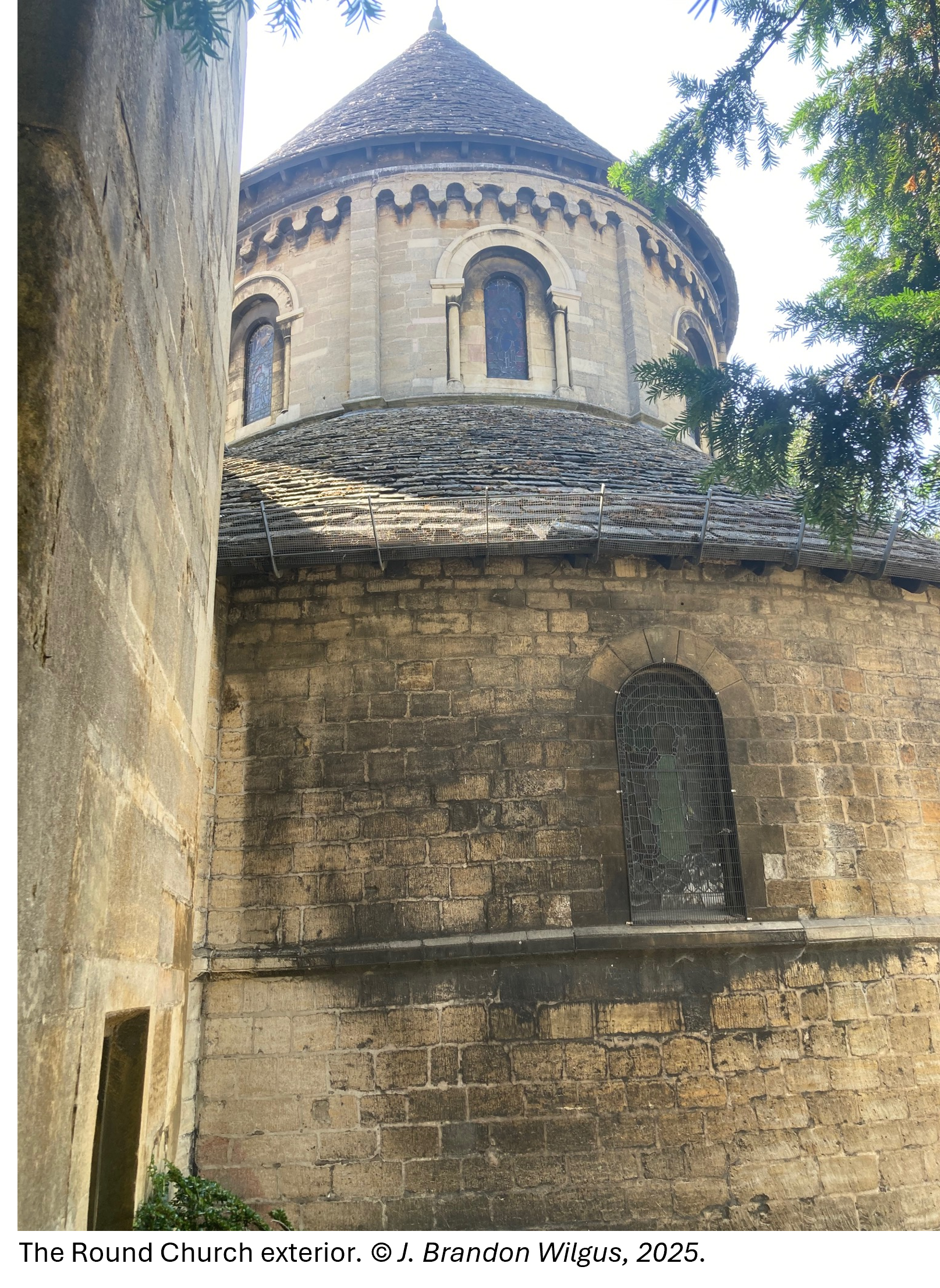
After the First Crusade, newly established religious orders such as the Knights Templar (Poor Fellow Soldiers of Christ and of the Temple of Solomon) and the Knights Hospitaller (Order of the Knights of St. John of Jerusalem), along with pilgrims who had visited Jerusalem, returned to Europe and built churches which emulated the Church of the Holy Sepulchre.  Mimicking the circular shape seen in Jerusalem, a handful of Round Churches were built across England recalling the site in Jerusalem of Christ’s passion and resurrection.

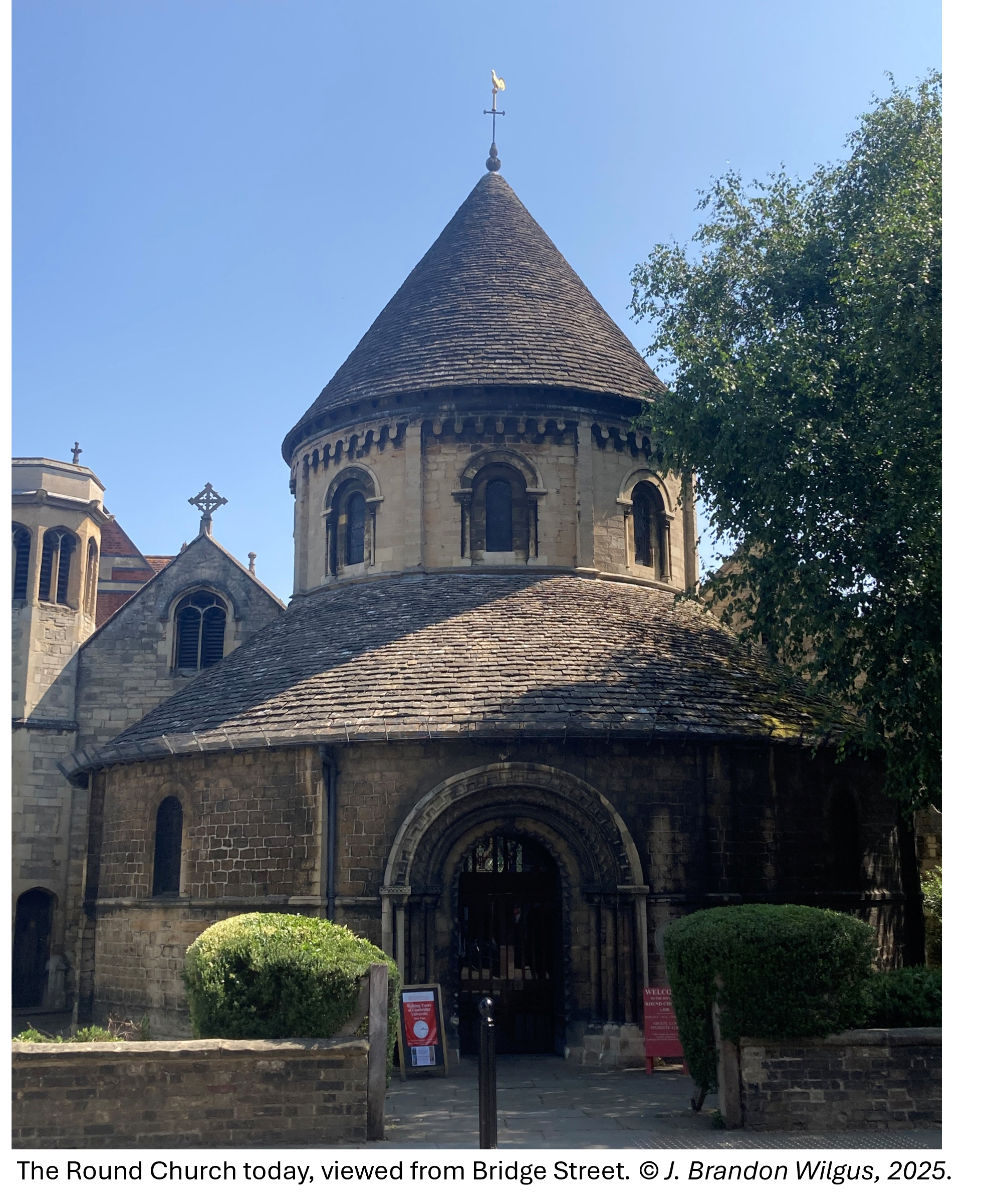
Between 1114 and 1131, only 15 years after the fall of Jerusalem, the Round Church in Cambridge was founded by an obscure group which we know little about which called itself The Fraternity of the Holy Sepulchre. In fact, there is no other record of this group except from this one project, and it was likely formed for the sole purpose of building the Round Church in Cambridge. The Fraternity claimed that the construction was “in honour of God and the Holy Sepulchre”. Consecrated as “The Church of the Holy Sepulchre”, it has been commonly called “St. Sepulchre’s” or simply, “The Round Church” since the 13th Century. This predates Cambridge University by almost a hundred years.

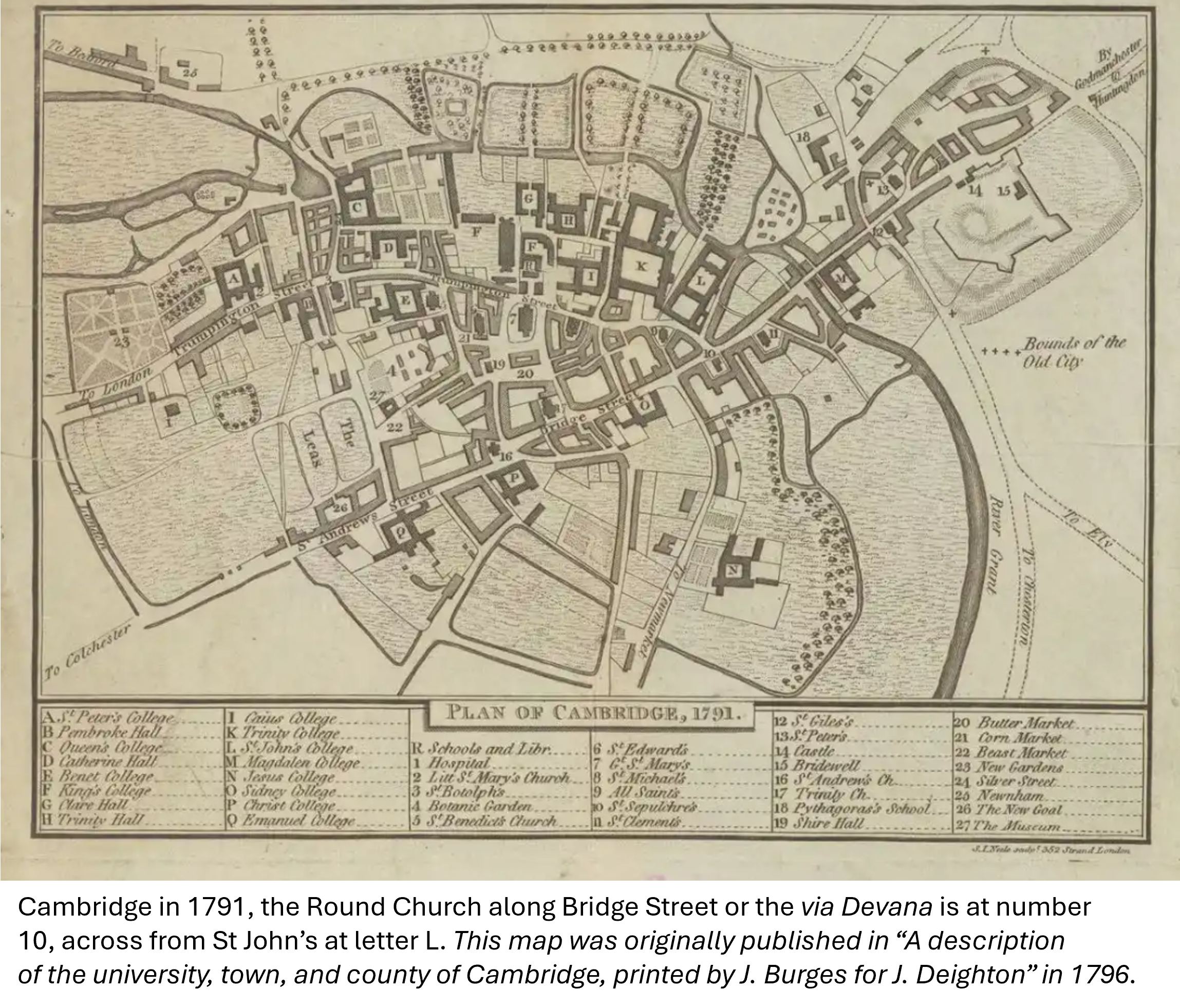
The first vicar of the Round Church was recorded as Geoffrey of Alderhethe in 1272. He was the Master of the Hospital of St. John the Evangelist, a religious hospital which resided across Bridge Street from the Round Church.  (Bridge Street today is the old Roman Road, the via Devana, which ran from Huntingdon to Cambridge, crossed the Cam, and passed the Roman Fort of Duroliponte which is now Castle Hill.) The medieval Hospital is now St. John’s College, part of the University of Cambridge.
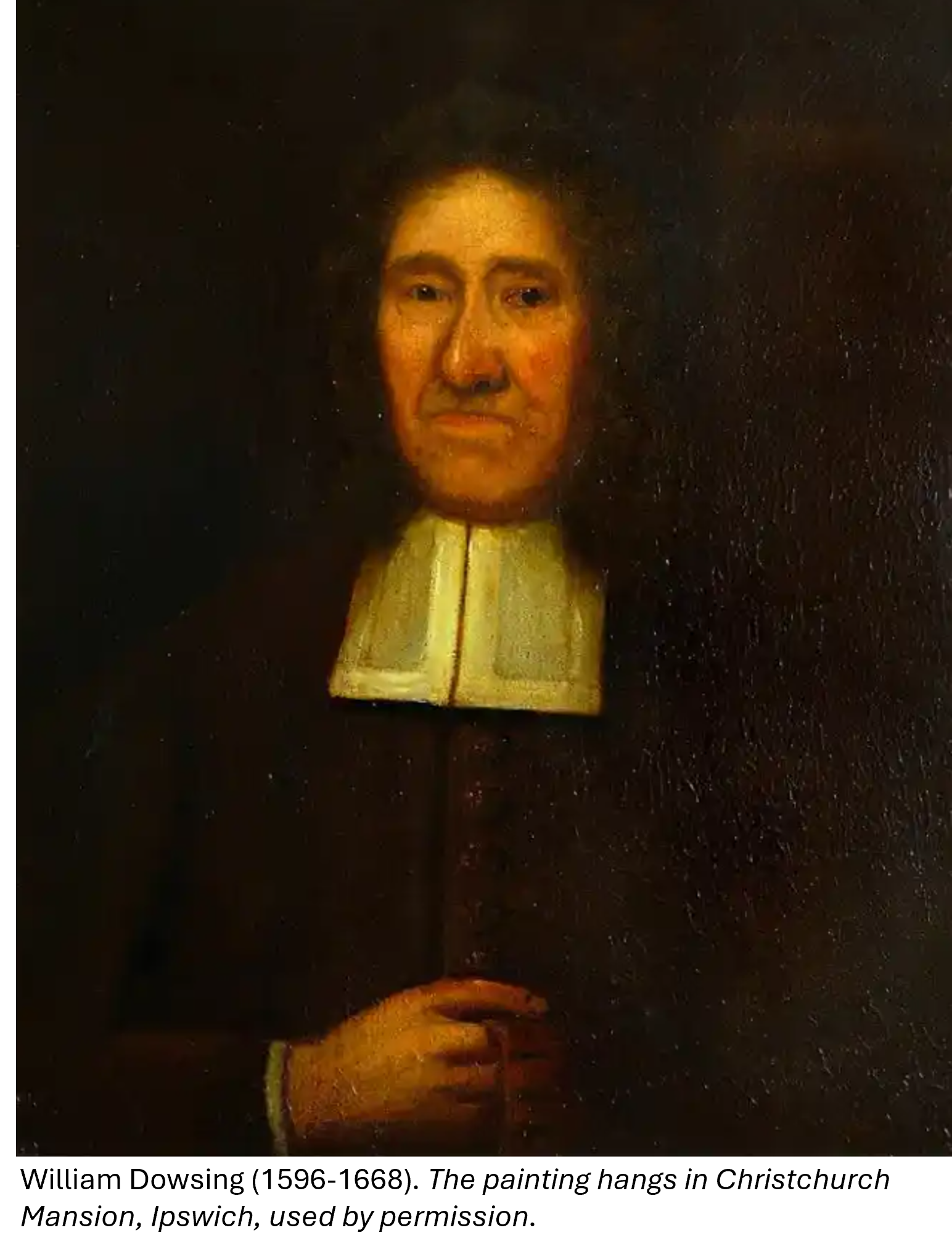
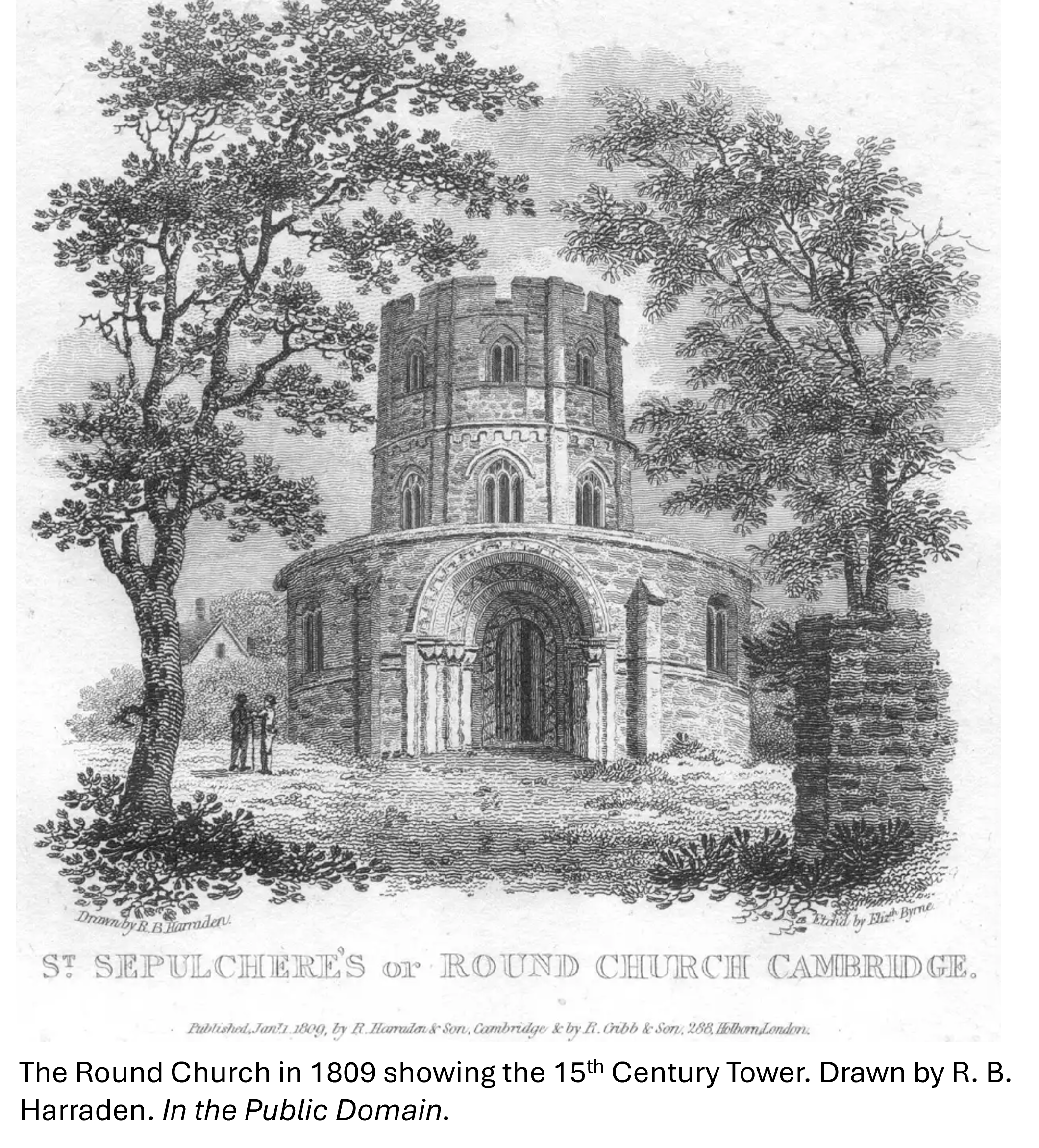
Expansions and extensions occurred over the next centuries, including a crenelated, multi-story tower which was added to the centre of the church in the 15th Century. At the same time, the Norman windows were replaced with larger, arched gothic windows. The church remained mostly undisturbed until 3 January 1644, when the Puritan officer and notorious iconoclast William Dowsing, known as “Smasher Dowsing”, arrived. Following the Parliamentary Ordinance of 28 August 1643 that “all monuments of Superstition and idolatry should be removed and abolished”, he and his soldiers destroyed fourteen pictures in the Round Church during the Civil War.  
In August 1841, the 15th Century tower collapsed, damaging the original structure and threatening the entire church’s existence.  A subscription for public support occurred and money raised for the church to be returned to its former glory.  In October 1843, with Queen Victoria and Prince Albert in attendance, the church was reopened after its reconstruction, returning it much to its original form. The upper portions of the church were returned to their Romanesque origins, the Georgian box pews were removed, and the gothic windows were restored to their original design. However, the reconstruction was not without controversy. The Camden Society, which coordinated the reconstruction, had a stone Altar and Credence Table placed in the nave, which was seen as too High Church, popish and Catholic. A general outcry led to a well-publicized court case and in January 1845 the altar and table were ordered removed and replaced by more humble, wooden tables which can still be seen today.
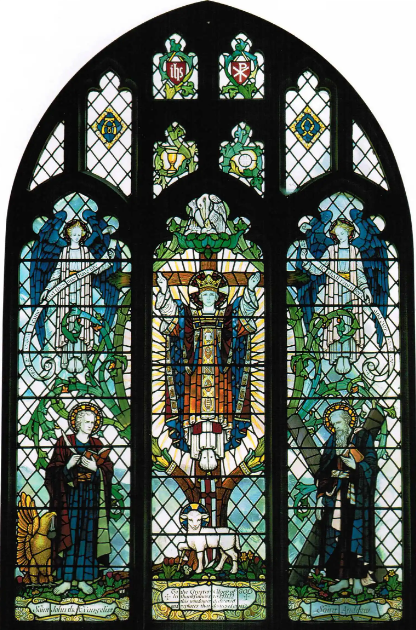
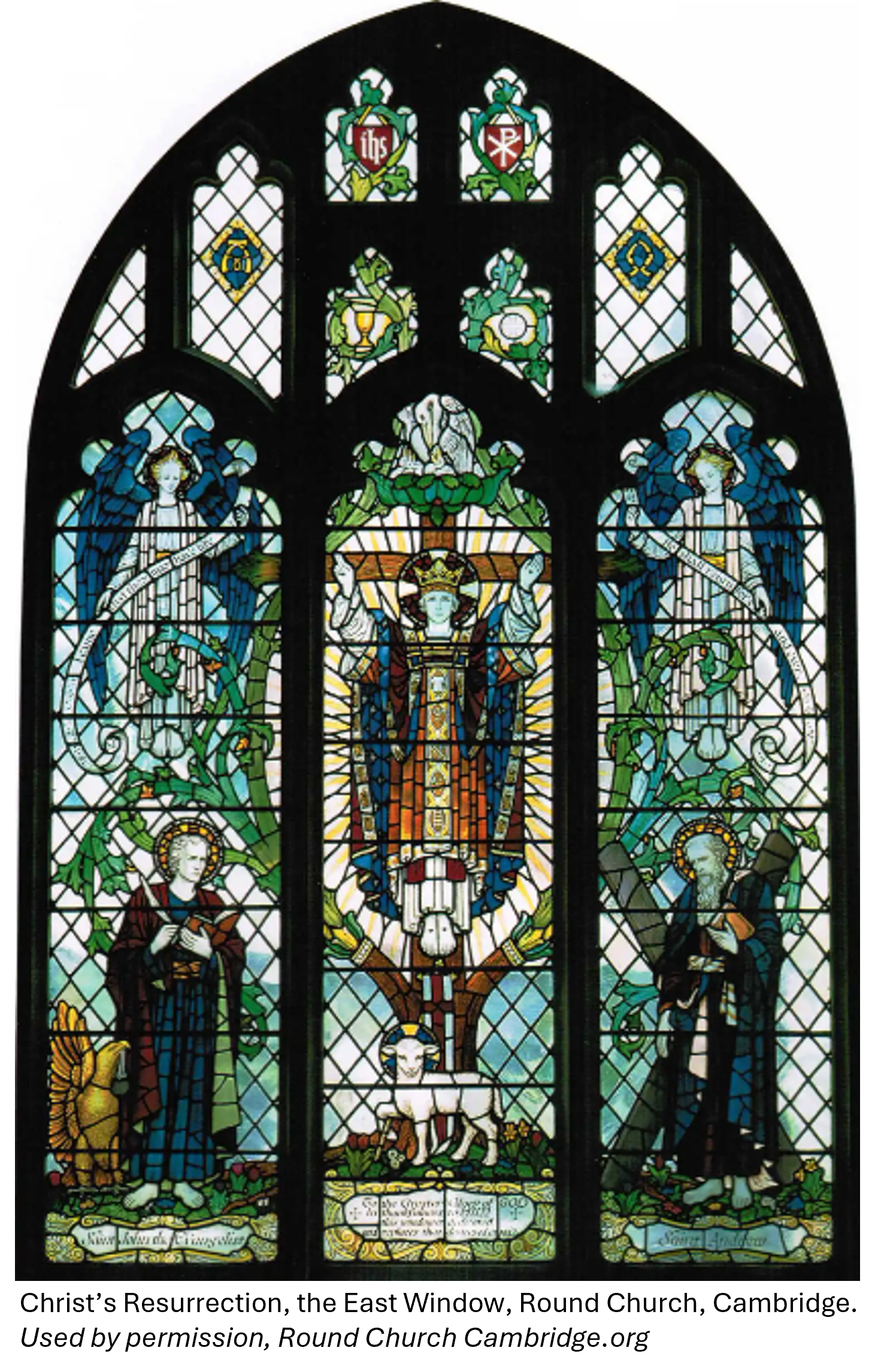
One would have thought there would be no more war damage to the Round Church after the iconoclasm of 1644, but on 28 July 1942 a single German bomber dropped its ordnance of high explosives and incendiaries on Cambridge. The bombs did extensive damage along Bridge and Sidney Streets, killing three people and wounding seven. One bomb struck the Cambridge Union Society Building, which had been built on the Church’s former graveyard, causing the medieval stained glass in the East Window to be blown out and destroyed.  After the war, the window was beautifully replaced with new stained glass showing Christ’s Resurrection, which occurred on the site of the Church of the Holy Sepulchre in Jerusalem.
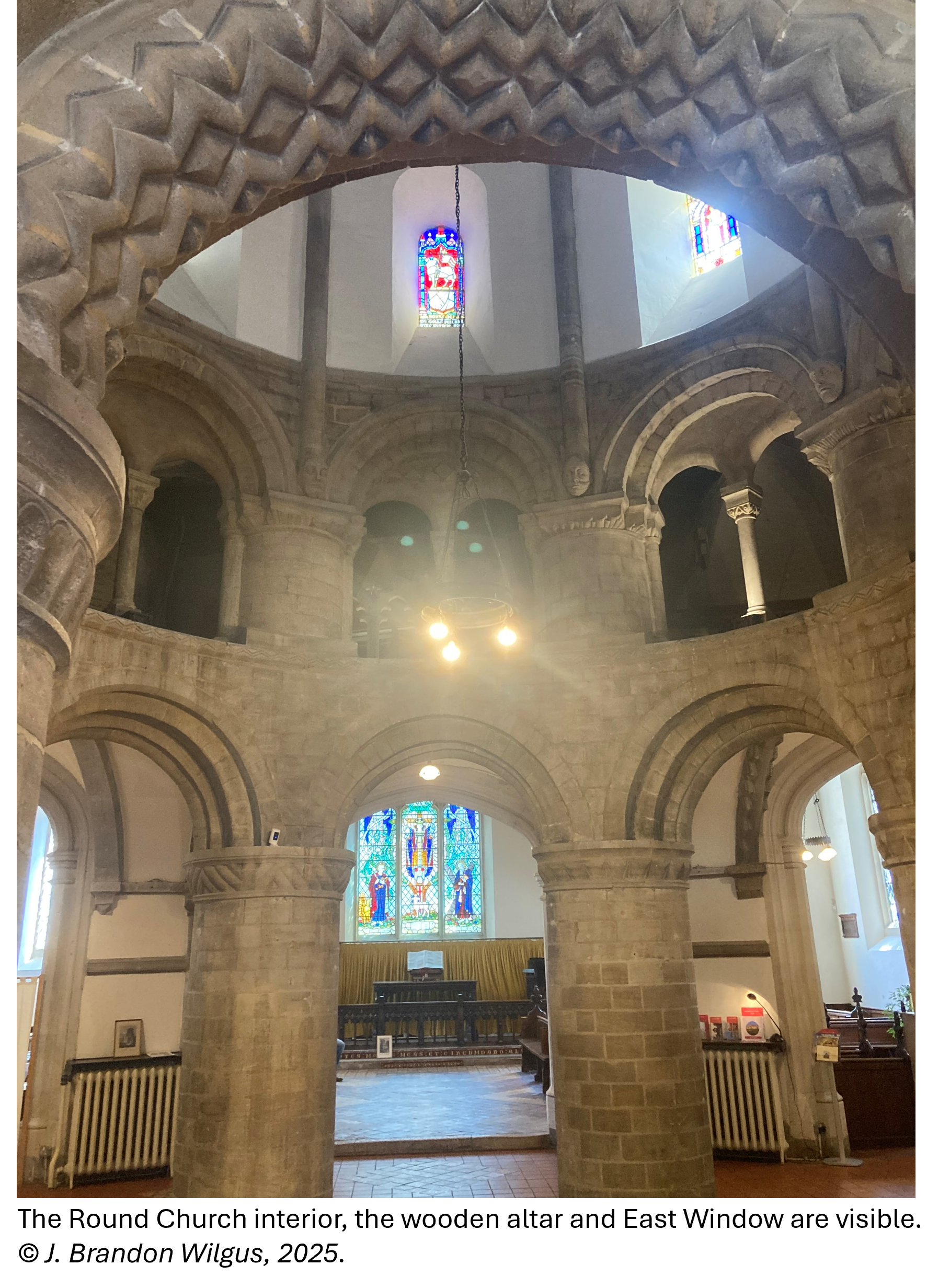
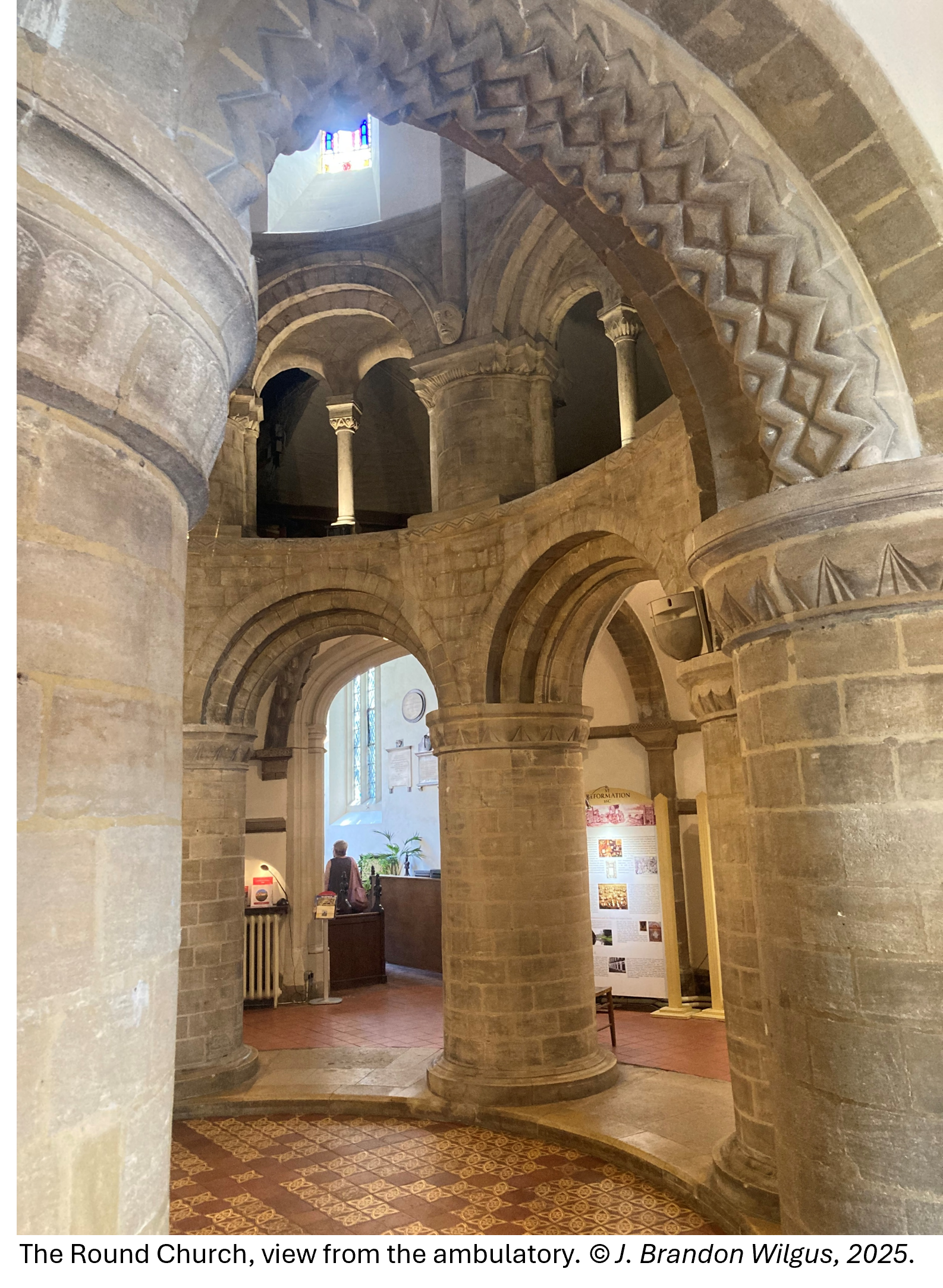
Inside, the church strikes a visitor as both beautiful and small, focused more on the center of the Round Church than the altar which rests in the nave, surrounded by the raised ambulatory. Eight thick Norman columns with round arches break the ambulatory and the nave and hold up an upper floor.  Much of the stained glass is from the Victorian era restoration and from the 1946 window which repaired the German war damage.  The tiled floor, which includes Queen Victoria’s coat of arms, dates from the 1841 restoration.
The Round Church Cambridge is one of four remaining medieval round churches in England. The others are the Temple Church in London, The Holy Sepulchre Church in Northhampton, and the Church of St. John the Baptist in Little Maplestead – all beautiful with a fascinating history and worth a visit.

To find out more about the Round Church’s visiting times, walking tours, and events see https://roundchurchcambridge.org/

To learn about its architecture and its evolution over the years, visit: https://drawingmatter.org/the-future-of-the-past/

To learn more about the church’s restoration, see Chris Miele’s “The Restoration of the Round Church, Cambridge”, English Heritage, Historical Analysis & Research Team Reports and Papers (First Series, 5), 1996.

To learn more about the bombing raids on Cambridge during World War II, visit Cambridge Historian: https://cambridgehistorian.blogspot.com/2012/07/world-war-2-air-attacks-on-cambridge.html
Ruins of a Roman Bath and the Foundations of a Castle – Ravenglass and Muncaster

Traveling west from Hardknott Pass (and the Roman Fort I recently blogged about) down to the coast of the Irish Sea is the modern village of Ravenglass – the Roman Port of Glannaventa.  Almost two millennia ago, this was a key port in Roman Britain.  Glannaventa connected the border fortresses with the maritime supply lines essential for supporting the garrisons with food, supplies, and reinforcements.  These forts protected the northern border of the empire before Hadrian’s Wall was constructed. The port was also necessary for the export of silver and lead mined in the Lake District to mainland Europe and the greater Roman Empire.  As is often the case with important centres of trade, the port thrived and grew alongside the military encampments, eventually leisure facilities were constructed.

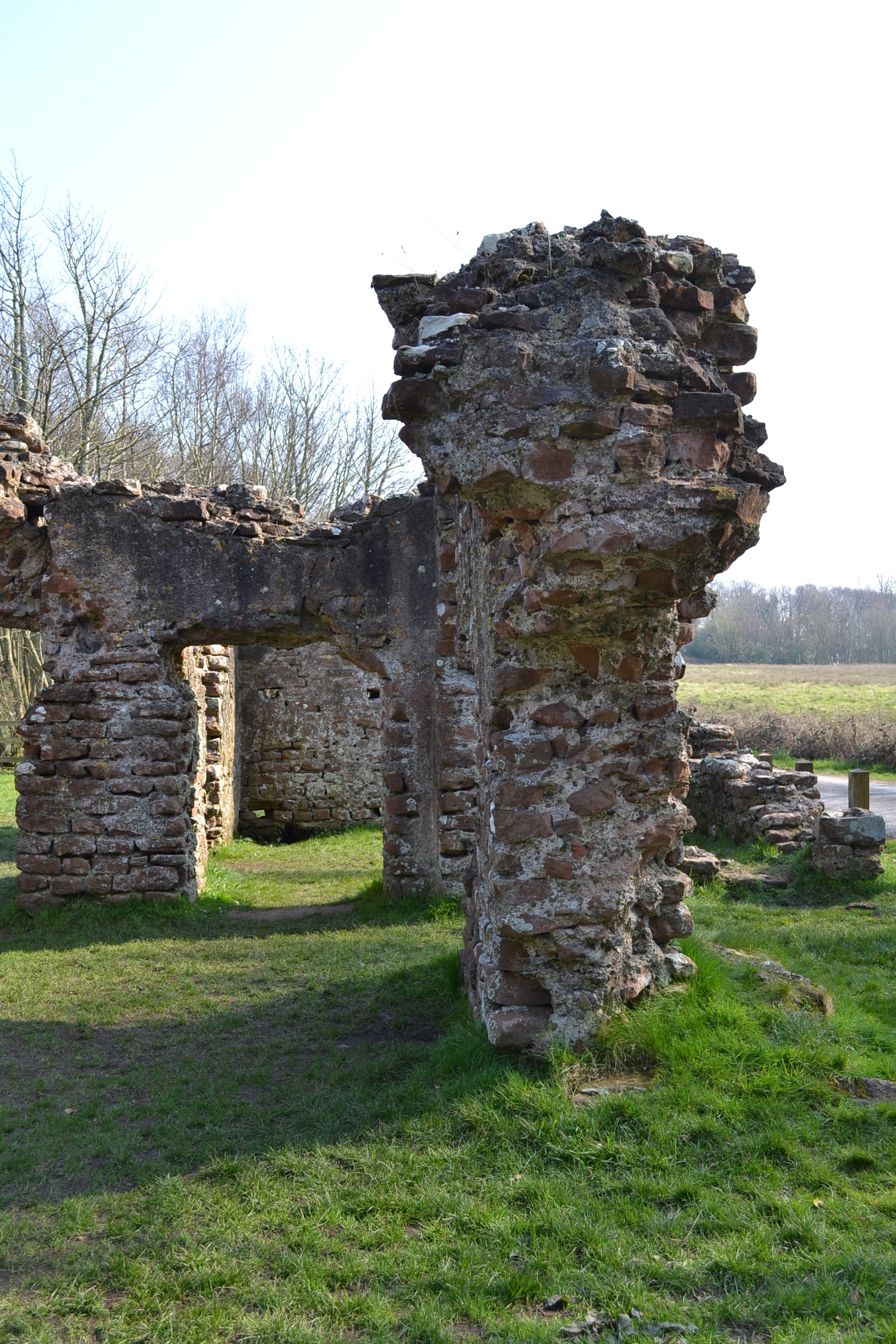
Column and archway of the Ravenglass Bath House.  This area connects the into the room where the Hypocaust was discovered (the underfloor plumbing system that provided heating). © Brandon Wilgus, 2015.
Column and archway of the Ravenglass Bath House. This area connects from an area where the Hypocaust was discovered (the underfloor plumbing system that provided heating). © cambridgemilitaryhistory.com, 2015.

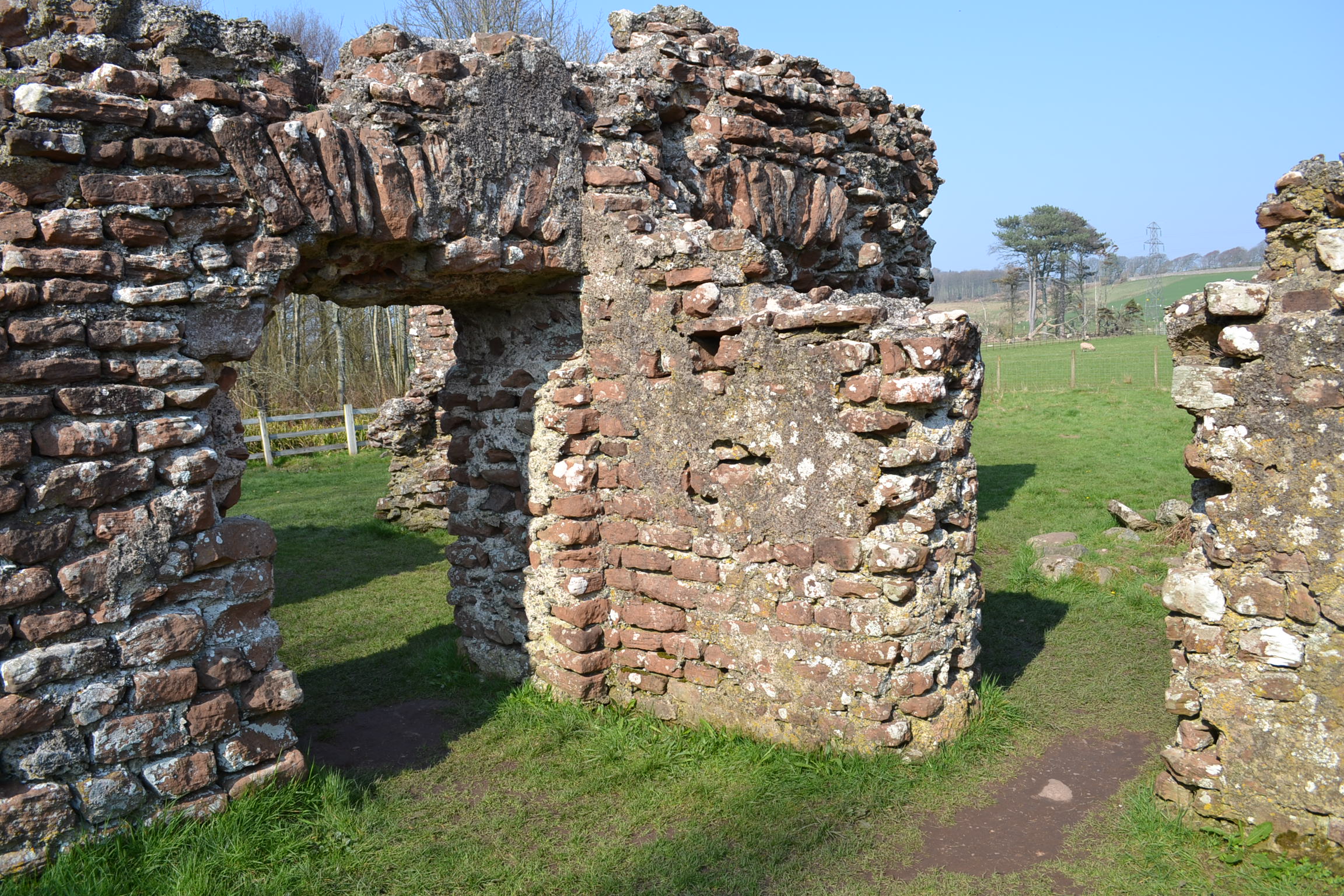
On the outskirts of the Roman town stood a sprawling bath house or Thermae in Latin, which is remarkably still standing and carefully preserved.  Brick walls 13 feet (4 meters) high remain, with curved arches over doorways.  Under the earth are additional foundations, visible now only under the raised ground, but clearly showing the impressive size of the bath house.  The Thermae stood next to a large fort, which is now buried in the Cumbrian landscape – some of the village, roads, and a railway all cross the archaeological site.  However, the initial excavations from 1881 have been expanded in recent years and it now appears the extent of the Roman encampment is greater than once believed.  Just south of the bath house, along a public foot path which crosses the rail line, work is being conducted on the foundations of barracks which once housed the garrison of Glannaventa.

Part of the Ravenglass Bath House.  The two doorways pictured lead from the area archeologists have identified as the changing area to the bathing rooms.  © Brandon Wilgus, 2015.
Part of the Ravenglass Bath House. The two doorways pictured lead from the area archaeologists have identified as the changing area to the bathing rooms. © cambridgemilitaryhistory.com, 2015.

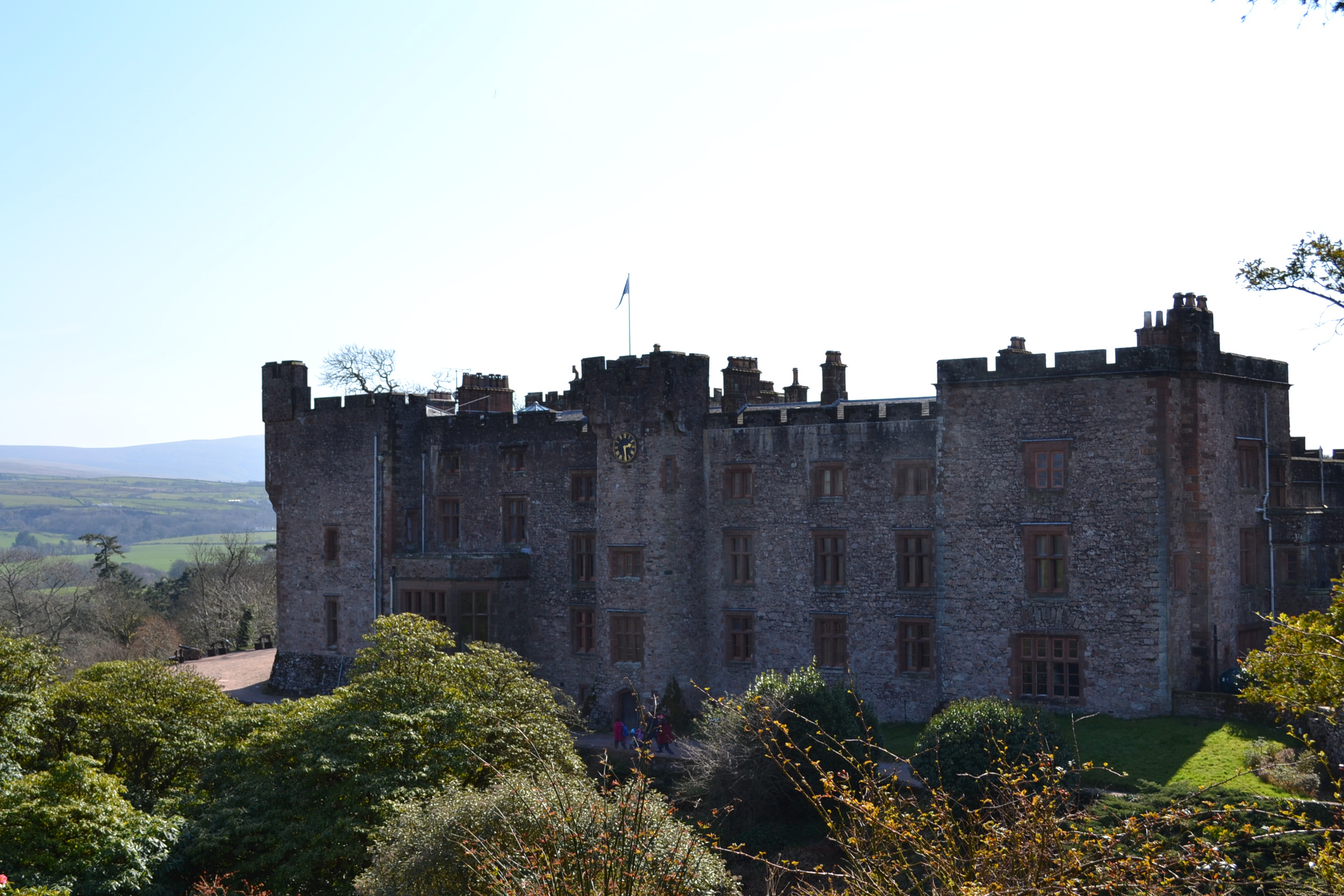
Of note, a mile’s walk from the Bath House is Muncaster Castle, home of the Pennington Family and the Barons Muncaster.  The beautiful castle, occupied by the Pennington family for over 800 years, is built on an elevated wall which is now believed to have been a Roman fortification – the ruins of which were used as the foundations of the castle.

Muncaster Castle, a mile east of the Ravenglass Roman Bath House.  The foundations of Muncaster were built upon Roman Ruins 800 years ago.  © Brandon Wilgus, 2015.
Muncaster Castle, a mile east of the Ravenglass Roman Bath House. The foundations of Muncaster were built upon Roman Ruins 800 years ago. © cambridgemilitaryhistory.com, 2015.

The Ravenglass Roman Bath House is maintained by English Heritage, there is free access and free parking.  Muncaster Castle is a beautiful and historic Grade I property which is certainly worth a full day’s visit to enjoy the house and gardens: http://www.muncaster.co.uk.

After much traveling, I plan on returning to Cambridgeshire soon… Brandon.

Hardknott Roman Fort – the Borders of Empire

High in the mountain passes of the Lake District in northwest England, some distance from Cambridgeshire, lies a long ruined Roman fortress that once guarded the northern borders of the Roman Empire. It is hard to imagine a time when the beauty and tranquillity of Cumbria, now so often visited by hikers and outdoor enthusiasts, was a battlefield. In the early Second Century, during the reign of Emperor Hadrian, the Mediobogdum Fort was constructed along a chain of fortifications to prevent an invasion of Roman Britain (we are reasonably sure that Mediobogdum is now identified as the Hardknott Roman Fort). It was built along the mountain pass that left the port of Glannoventa (modern day Ravenglass) in the Eskdale Valley and crossed the hardknott mountain towards Windermere. Nowadays, the single-track road is notorious as the steepest and most treacherous mountain track in all of Great Britain, loved by motoring enthusiasts. One can imagine at the difficulty of garrisoning, supplying and constructing a military encampment high in the mountains of the Lake District – what is even difficult to access by auto today.

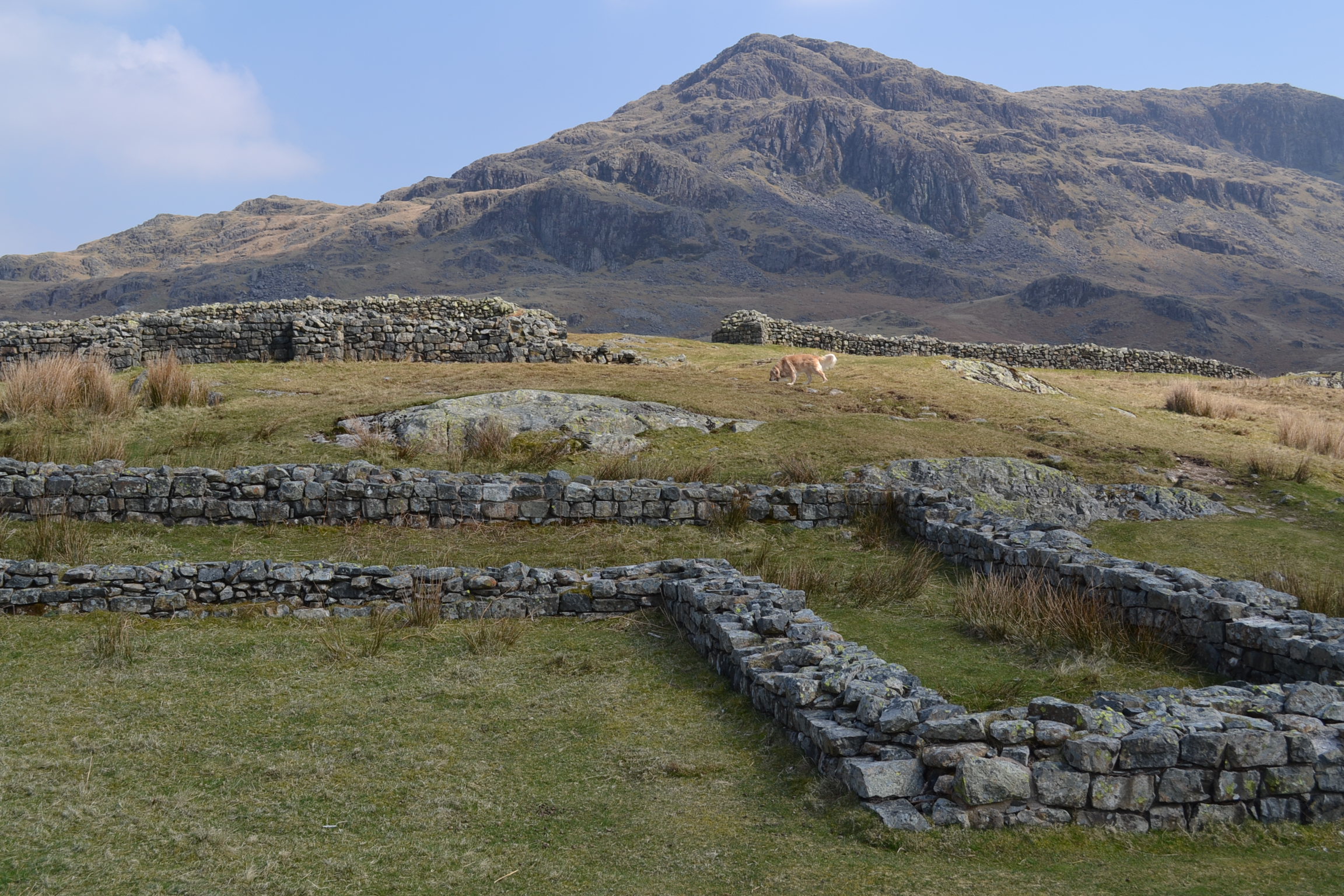
Hardknott Roman Fort, the Lake District, Cumbria. Hardknott peak is visible in the distance, and the Praetorium foundations are visible in the forground. © Brandon Wilgus, 2015.
Hardknott Roman Fort, the Lake District, Cumbria. Hardknott peak is visible in the distance, and the Praetorium foundations are visible in the forground. © cambridgemilitaryhistory.com, 2015.

This fort, built and occupied before Hadrian’s Wall was constructed several miles to the North, was at its time the last outpost of Empire – almost a thousand miles from the Imperial City of Rome. The remoteness of this posting would have been breath-taking for the 500 men and officers garrisoned here – who we know from extant Roman records were the Fourth Cohort of Dalmatians. These men were raised on the balmy eastern shores of the Adriatic Sea (present day Slovenia, Croatia, Montenegro, and Albania). They would have travelled overland across Europe and then sailed to western England to reach this hostile borderland, where conflict with Picts and other tribes from present day Scotland was a constant threat.

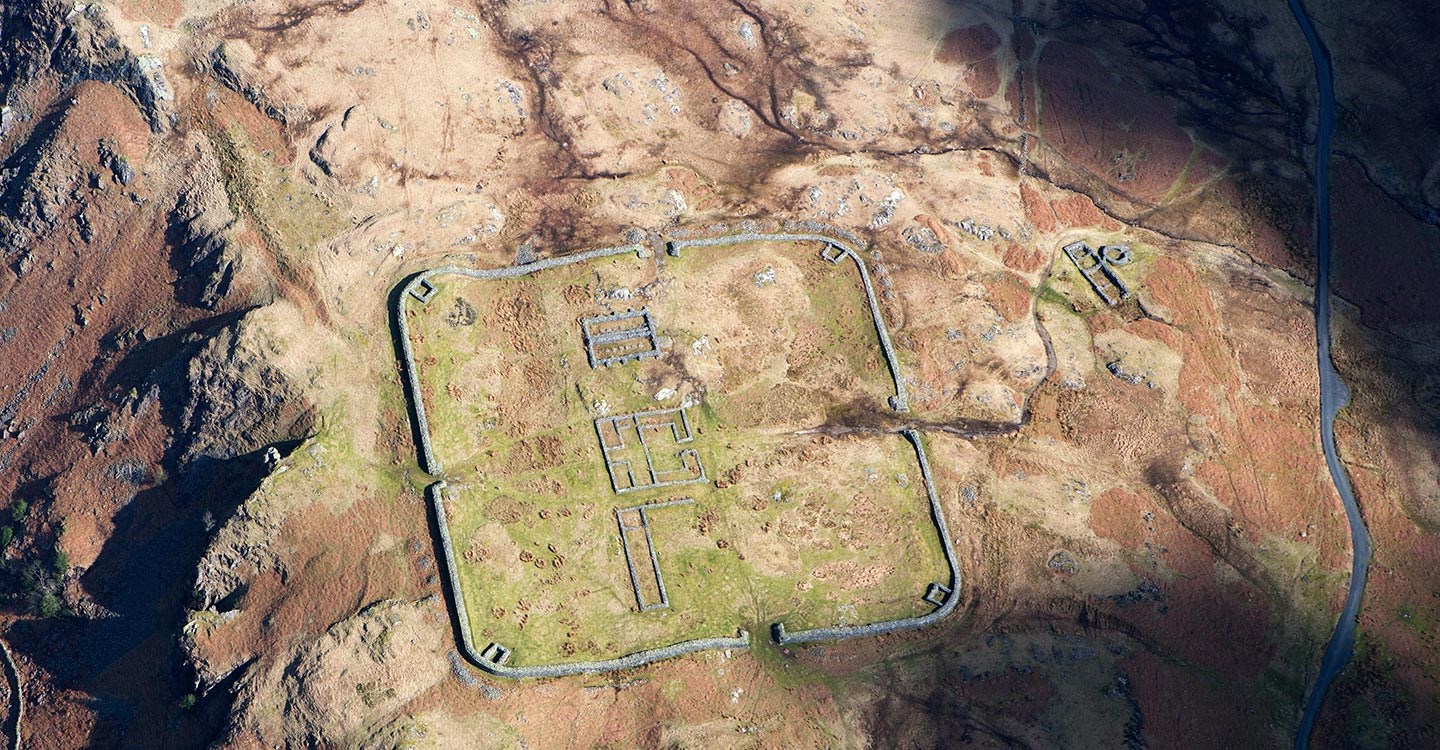
An overhead view of the fort, thanks to English Heritage for the photograph. © English Heritage, 2015.

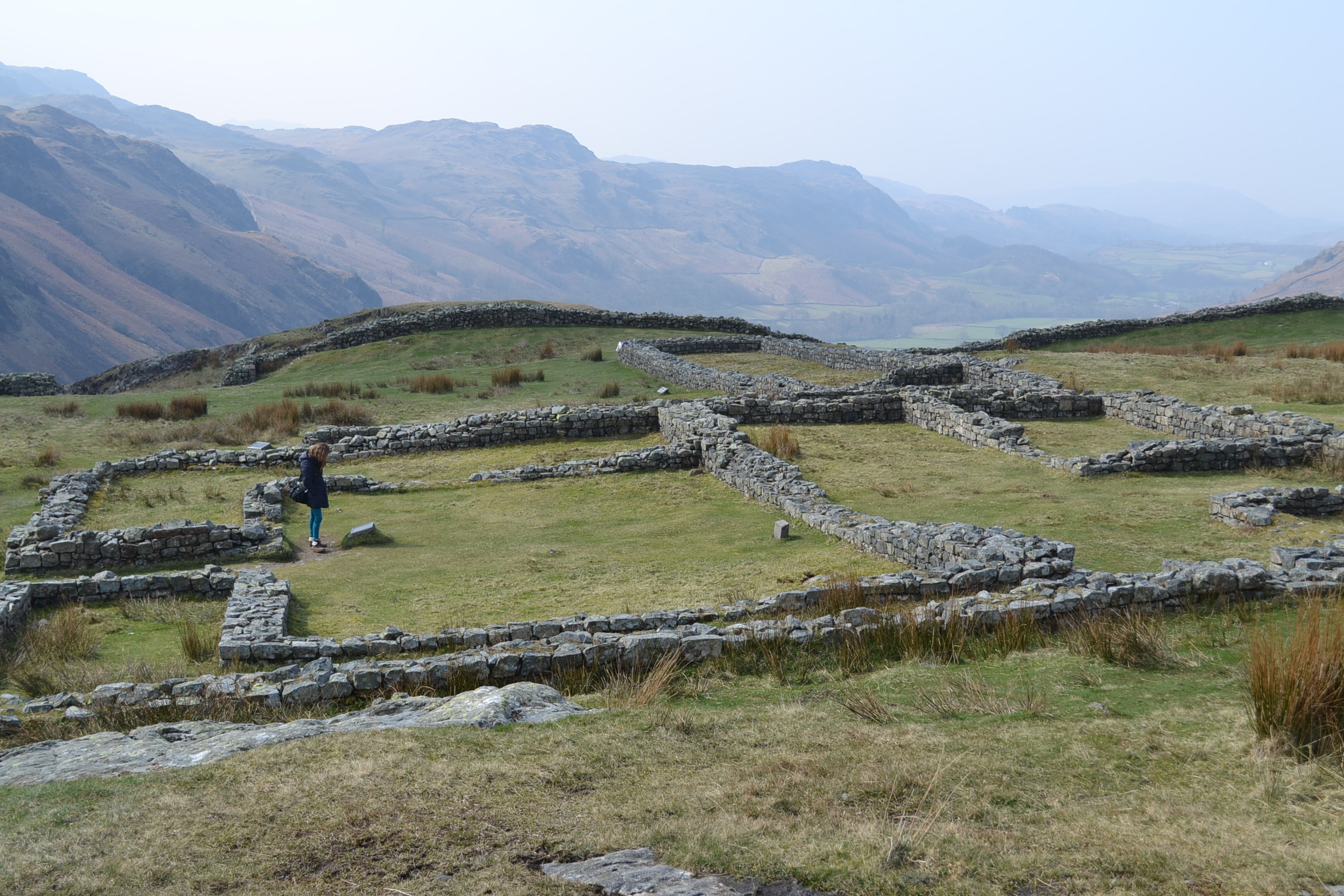
Laid out with military precision, it is still easy to walk the perfect square of Hardknott Fort, 110 meters per wall, with four gates and corner towers. The road of the day would have entered the fort via one gate and led travellers, merchants, and local peasants out through the opposite, ensuring the soldiers could maintain control of the key mountainous terrain, the movement of people and goods, and the levying of customs taxes. One nowadays can walk through the foundations of the Commanding Officer’s Praetorium, or villa. You can easily picture the wooden supports that would have comprised the barracks for the soldiers, junior officers, and auxiliaries, and think on the remoteness of this post.   The foundations of the headquarters building, the granaries, and the forementioned Praetorium occupy the central ground of the fort. Just outside the northern gate is a parade field, a testament to the Roman Empire’s renowned discipline of its troops. A bit farther afield the ruins of a bath house remain, a reminder that not all of life in Mediobogdum would have been austere and grim.

Looking down on Hardknott Fort from the area of the parade grounds. © Brandon Wilgus, 2015.
Looking down on Hardknott Fort from the area near the granaries.  The foundations of the Cohort’s Headquarters are clearly visible with the Eskdale Valley stretching to the distance. © cambridgemilitaryhistory.com, 2015.

Today, Hardknott Fort is jointly preserved by both English Heritage and the National Trust. Not easily accessible, you must navigate the Hardknott Pass and then hike to the Fort, which is perched on the middle slopes of the Hardknott peak. Visit: http://www.english-heritage.org.uk/visit/places/hardknott-roman-fort/ for more information on the fort.

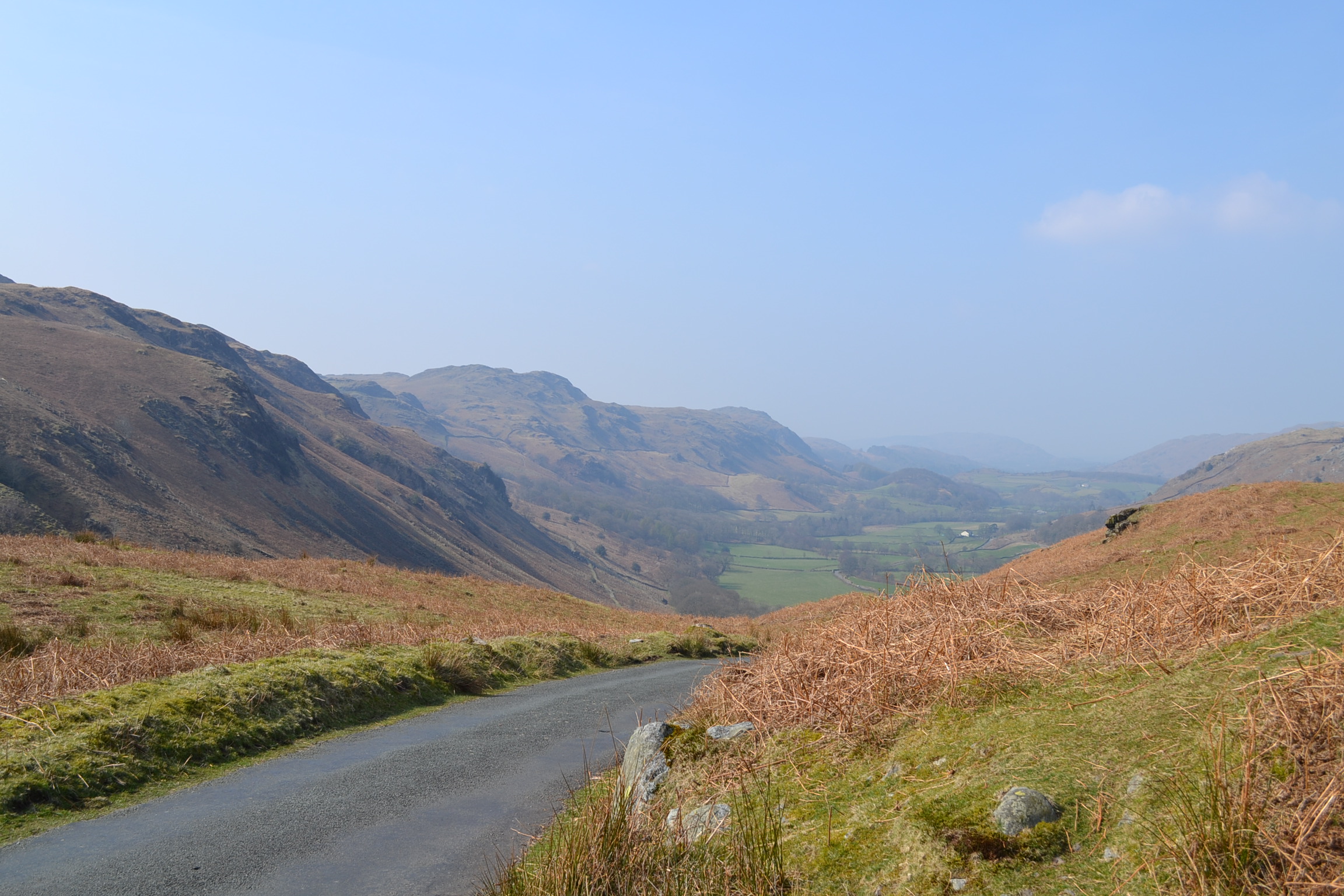
Hardknott Pass, the Lake District, Cumbria.  The single-track B-road which crosses from the Eskdale Valley to Windermere is the access point to the Roman ruins. © Brandon Wilgus, 2015.
Hardknott Pass, the Lake District, Cumbria. The single-track B-road which crosses from the Eskdale Valley to Windermere is the access point to the Roman ruins. © cambridgemilitaryhistory.com, 2015.